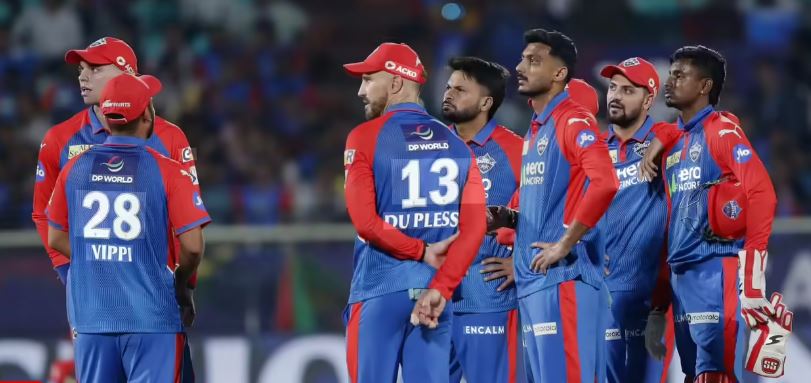
Delhi Capitals vs Sunrisers Hyderabad timeline scorecard reflects more than just numbers, it captures a rivalry shaped by contrast, pressure, and evolution. One team built its strength on fearless young batting, the other relied on disciplined bowling and structured tactics. From early one sided encounters to intense modern clashes, every match added a new layer to this contest. Scorecards reveal shifting momentum, player dominance, and tactical battles that defined outcomes. This rivalry is not just about wins and losses, it is about identity, resilience, and moments that kept fans on edge across multiple IPL seasons.
LATEST MATCHES
Season
Date
Venue
Result
Margin
DC Score
SRH Score
Top DC Player
Top SRH Player
2026
Apr 2026
Hyderabad
SRH won
47 runs
195/9
242/2
Stubbs 52
Abhishek Sharma 135*
2025
May 5, 2025
Hyderabad
No Result
—
133/7
—
Stubbs 41
—
2025
Mar 30, 2025
Vizag
DC won
7 wickets
166/3
163
Porel 34
Klaasen 32
2024
Apr 20, 2024
Delhi
SRH won
67 runs
199
266/7
Pant 44
Travis Head 89
2023
Apr 29, 2023
Delhi
SRH won
9 runs
188/6
197/6
Marsh 63
Klaasen 53
2023
Apr 24, 2023
Hyderabad
DC won
7 runs
144/9
137/6
Axar 34
Mayank 49
2022
May 5, 2022
Mumbai
DC won
21 runs
207/3
186
Warner 92*
Pooran 62
All-Time Head-to-Head Record
Span
Matches
DC Wins
SRH Wins
Win % (DC)
Win % (SRH)
Highest Total
Lowest Total
2013–2025
24
11
13
45.8%
54.2%
SRH – 266/7
DC – 80
All-Time Batting Leaders (DC vs SRH Matches)
Rank
Player
Team(s)
Matches
Runs
Avg
Strike Rate
50s
100s
Best Score
1
David Warner
DC/SRH
20
950+
48.0
140+
9
1
126
2
Shikhar Dhawan
DC/SRH
18
720+
40+
130+
6
0
92*
3
Rishabh Pant
DC
12
420+
35+
150+
3
0
85
4
Kane Williamson
SRH
14
400+
36+
125+
3
0
83
5
Jonny Bairstow
SRH
7
300+
45+
150+
2
1
114
6
Travis Head
SRH
3
200+
65+
200+
2
0
89
All-Time Bowling Leaders (DC vs SRH Matches)
Rank
Player
Team(s)
Matches
Wickets
Avg
Economy
Best Bowling
4W
5W
1
Bhuvneshwar Kumar
SRH
18
22+
22.0
7.1
5/19
1
1
2
Rashid Khan
SRH
15
20+
18.0
6.5
3/7
0
0
3
Amit Mishra
DC
12
15+
24.0
7.5
3/24
0
0
4
Axar Patel
DC
14
15+
26.0
7.2
2/11
0
0
5
Khaleel Ahmed
DC
10
12+
28.0
8.2
3/30
0
0
6
Pat Cummins
SRH
4
8+
20.0
8.0
3/28
0
0
When Two New-Age Franchises Found Their Identity
Delhi Capitals and Sunrisers Hyderabad entered the IPL with very different baggage but a shared urgency to define themselves. Delhi, formerly known as Delhi Daredevils, carried years of inconsistency, flashy lineups, and underwhelming results. Hyderabad, born from the ashes of Deccan Chargers, quickly built a reputation around discipline, structure, and bowling strength. In their early seasons, Delhi leaned heavily on explosive batting but lacked direction, often collapsing under pressure. Hyderabad, on the other hand, invested in stability, backing players like David Warner and Bhuvneshwar Kumar to create a reliable core. Their identity was clear defend totals, control the middle overs, and choke opposition batters. As these two teams crossed paths, it became a clash of philosophies flair versus control. Fans noticed it early Delhi’s unpredictability versus Hyderabad’s methodical approach. This contrast laid the foundation of a rivalry that would evolve with time, as Delhi slowly rebuilt and Hyderabad tried to maintain its dominance through structure and smart tactics.
Season
Delhi Identity
Hyderabad Identity
Key Player DC
Key Player SRH
2013
Unstable batting
Balanced unit
Sehwag
Sangakkara
2014
Transition phase
Bowling focus
Pietersen
Bhuvneshwar
2015
Inconsistent
Tactical growth
Duminy
Warner
2016
Rebuild mode
Champion mindset
De Kock
Warner
First Encounters That Set the Tone
The early matches between Delhi and Hyderabad were not just games, they were statements. Hyderabad often walked in with a clearer plan, while Delhi relied on individual brilliance. In one of their first notable clashes, Hyderabad’s bowlers restricted Delhi to a modest total, exposing their fragile middle order. The scorecard told a familiar story Delhi starting strong but losing momentum. Hyderabad chased with calculated aggression, led by Warner’s composed innings. These matches set a psychological edge Hyderabad knew how to win tight games, while Delhi struggled to close them. Fans began expecting collapses from Delhi and calm chases from Hyderabad. The early encounters also highlighted how Hyderabad’s bowling unit adapted to conditions quickly, using slower balls and tight lines. Delhi, meanwhile, kept experimenting without consistency. These matches weren’t high scoring thrillers but strategic battles where Hyderabad usually came out on top, quietly building dominance in the rivalry.
Match
DC Score
SRH Score
Result
Top Performer
2013
114
115/2
SRH won
Warner
2014
180
181/4
SRH won
Dhawan
2015
157
163/4
SRH won
Bhuvneshwar
2016
150
146
DC won
Morris
A Bowling Fortress vs A Batting Work in Progress
Sunrisers Hyderabad built their legacy on bowling excellence. With Bhuvneshwar Kumar swinging the new ball and Rashid Khan controlling the middle overs, they became a nightmare for any batting lineup. Against Delhi, this strength was even more visible. Delhi’s batting, despite having big names, lacked temperament. They often failed to rotate strike and struggled against spin. Hyderabad capitalized on this weakness repeatedly. Matches saw Delhi losing wickets in clusters, unable to recover. Hyderabad’s strategy was simple contain, frustrate, and attack. Even low totals became defendable. Delhi, on the other hand, kept searching for a reliable middle order. Their approach lacked patience, often leading to reckless shots under pressure. The contrast was sharp Hyderabad trusted its system while Delhi depended on moments. This phase of the rivalry clearly tilted in Hyderabad’s favor, as their bowlers dictated terms and exposed Delhi’s vulnerabilities in high pressure situations.
Aspect
Delhi Capitals
Sunrisers Hyderabad
Strength
Top order hitting
Bowling attack
Weakness
Middle order
Finishing batting
Strategy
Aggressive start
Controlled defense
Key Bowler
Mishra
Rashid Khan
Warner vs Delhi: A One-Man Storm
David Warner turned Delhi into his personal hunting ground. Season after season, he delivered match winning performances that left Delhi searching for answers. Whether chasing or setting a target, Warner’s approach was fearless yet calculated. He targeted Delhi’s weaker bowlers, rotated strike efficiently, and accelerated at the right moments. Several scorecards reflect his dominance quick fifties, consistent boundaries, and match defining partnerships. Delhi tried everything pace, spin, field changes but Warner adapted every time. His ability to read the game and control the chase made him the biggest threat in this rivalry. Fans began to expect a Warner masterclass whenever these two teams met. His performances not only secured wins for Hyderabad but also built a psychological edge over Delhi. Even when Hyderabad struggled, Warner’s presence alone created pressure on Delhi’s bowlers, making him the defining figure in this phase of the rivalry.
Season
Runs vs DC
Strike Rate
Result Impact
2015
77
145
Match winning
2016
109
150
Dominant win
2017
67
140
Chase control
2019
69
148
Key innings
Delhi’s Turning Point: The Rise of a Young Core
Delhi’s transformation began when they shifted focus from star power to building a young, hungry core. Players like Rishabh Pant, Shreyas Iyer, and Prithvi Shaw brought energy and fearlessness. This new approach changed their mindset against Hyderabad. Instead of collapsing under pressure, Delhi started counter attacking. Pant’s aggressive stroke play disrupted Hyderabad’s bowling rhythm, while Iyer added stability. Matches became more competitive, with Delhi finally challenging Hyderabad’s dominance. The scorecards began to reflect this shift higher totals, better partnerships, and improved chases. Delhi also improved tactically, backing their young players and sticking to plans. This phase marked a balance in the rivalry, as Delhi no longer looked like underdogs. Fans sensed a new confidence in the team, and Hyderabad had to work harder for every win. The rivalry evolved from one sided dominance to a genuine contest.
Player
Role
Impact vs SRH
Pant
Aggressive batter
Fast scoring
Iyer
Anchor
Stability
Shaw
Opener
Quick starts
Dhawan
Experienced
Consistency
Rabada vs Hyderabad: Fire with the Ball
Kagiso Rabada brought intensity and aggression that Delhi desperately needed. Against Hyderabad, he became a game changer. His pace, accuracy, and ability to strike in crucial moments turned matches around. Rabada often targeted Hyderabad’s top order, removing key players early and breaking their rhythm. His spells were not just about wickets but pressure. Tight overs forced Hyderabad to take risks, leading to collapses. Several scorecards highlight his impact low economy, multiple wickets, and match defining performances. Rabada’s presence also boosted Delhi’s confidence, giving them a reliable weapon in high pressure situations. His battles with players like Warner added excitement to the rivalry. Each delivery carried tension, each wicket shifted momentum. With Rabada leading the attack, Delhi finally had the firepower to challenge Hyderabad’s structured approach, making the contests more intense and unpredictable.
Match
Overs
Wickets
Economy
Impact
2019
4
4
6.2
Match winner
2020
4
3
5.8
Key spell
2021
4
2
6.5
Pressure build
2022
4
3
6.0
Turning point
Conclusion
Delhi Capitals vs Sunrisers Hyderabad timeline scorecard tells a story of transformation and balance. What began as Hyderabad’s controlled dominance gradually turned into a competitive rivalry as Delhi found stability and firepower. Players like Warner and Rabada shaped defining moments, while young talents changed the direction of contests. Each match added intensity, making this rivalry unpredictable and engaging. Today, it stands as a battle of strategy versus aggression, where no result feels certain. The journey through scorecards and performances highlights how both teams evolved, adapted, and pushed each other to deliver high quality cricket season after season.