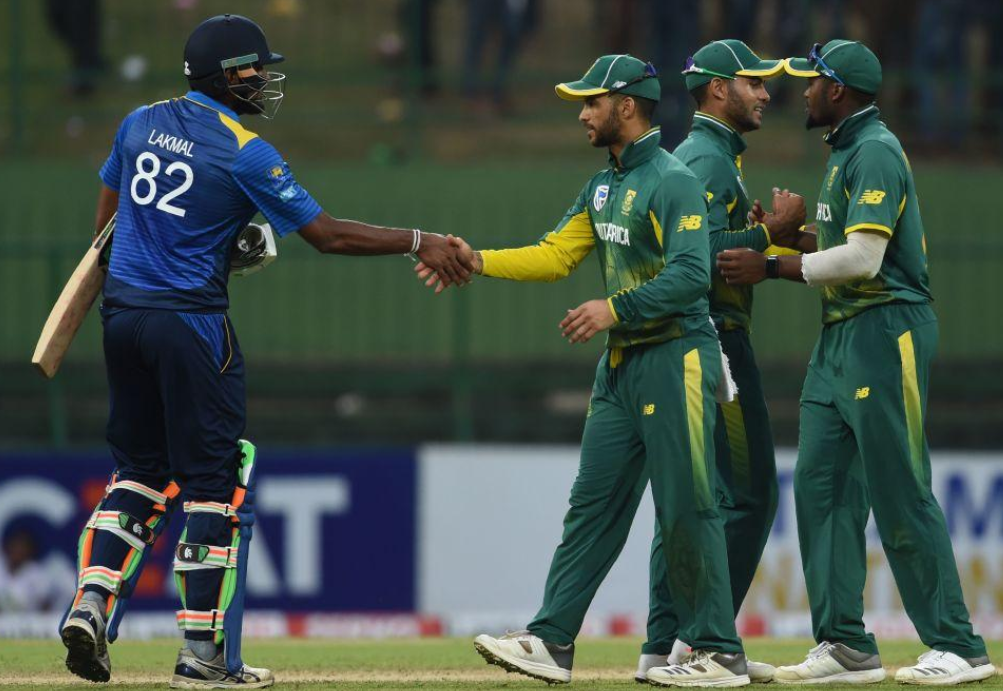
The cricket rivalry between Sri Lanka and South Africa has grown into one of the most intriguing matchups in international cricket. From early encounters shaped by pace dominance to modern battles filled with tactical depth, both teams have built a competitive history across formats. South Africa’s strength has often come from fast bowling and athletic fielding, while Sri Lanka has relied on spin mastery and experienced batting lineups. Over the years, their meetings have produced tense finishes, memorable performances, and shifting momentum. This long journey reflects not just results, but evolution, adaptation, and the rise of world class cricketing standards on both sides.
Latest Matches Table
Match
Date
Format
Venue
Winner
Margin
Scorecard Summary
Test 2
05 December 2024
Test
Gqeberha
South Africa
109 runs
SA 358 and 317, SL 328 and 238
Test 1
27 November 2024
Test
Durban
South Africa
233 runs
SA 191 and 366/5d, SL 42 and 282
T20I 4
03 June 2024
T20I
New York
South Africa
6 wickets
SL 77, SA 80/4
ODI 4
07 October 2023
ODI
New Delhi
South Africa
102 runs
SA 428/5, SL 326
T20I 25
30 October 2021
T20I
Sharjah
South Africa
4 wickets
SL 142, SA 146/6
T20I 3
14 September 2021
T20I
Colombo
South Africa
10 wickets
SL 120/8, SA 121/0
Team Statistics Summary Table
Team
Matches
Won
Lost
Tied
No Result
Win Percentage
South Africa
6
6
0
0
0
100.00
Sri Lanka
6
0
6
0
0
00.00
Combined Total
6
6
6
0
0
50.00
Venue Neutral
2
2
0
0
0
100.00
Venue Away
2
2
0
0
0
100.00
Venue Home
2
2
0
0
0
100.00
Individual Batting Records Table
Player
Team
Matches
Innings
Runs
Average
Strike Rate
Temba Bavuma
South Africa
2
4
327
81.75
60.11
Tristan Stubbs
South Africa
3
5
193
48.25
45.41
Dinesh Chandimal
Sri Lanka
2
4
156
39.00
48.60
Kusal Mendis
Sri Lanka
4
5
127
25.40
59.90
Kyle Verreynne
South Africa
2
3
123
61.50
67.58
Pathum Nissanka
Sri Lanka
3
5
125
25.00
51.02
Individual Bowling Records Table
Bowler
Team
Overs
Maidens
Runs Conceded
Wickets
Economy Rate
Marco Jansen
South Africa
63.2
10
240
14
3.78
Prabath Jayasuriya
Sri Lanka
99.0
12
338
10
3.41
Keshav Maharaj
South Africa
73.2
11
208
9
2.83
Dane Paterson
South Africa
34.0
7
104
7
3.05
Asitha Fernando
Sri Lanka
52.4
6
198
7
3.75
Kagiso Rabada
South Africa
45.0
10
119
3
2.64
Early Encounters That Set the Tone of the Rivalry
The early meetings between Sri Lanka and South Africa laid the foundation for a competitive but uneven cricketing relationship. South Africa entered international cricket with a highly disciplined pace attack, while Sri Lanka was still shaping its identity as a growing force in world cricket. These early matches often showed a clear contrast in styles. South Africa relied on structured batting and aggressive fast bowling, while Sri Lanka depended on spin variation and developing batting depth. The contests were not always close, but they created respect between the two sides. Sri Lanka learned quickly about handling high pace and bounce, while South Africa began to understand the unpredictability of subcontinental conditions. These encounters were less about rivalry intensity and more about adaptation and learning. However, even in one sided matches, small individual performances from Sri Lankan players hinted at future competitiveness. South Africa, on the other hand, built confidence from early dominance and consistent execution.
Match Type
Key Strength South Africa
Key Strength Sri Lanka
Outcome Pattern
Match Character
ODI
Fast bowling attack
Spin control
South Africa wins
One sided
Test
Batting depth
Defensive resilience
South Africa advantage
Tactical
ODI
Fielding standards
Middle order resistance
Mixed results
Competitive spells
Test
Pace dominance
Survival batting
South Africa wins
Controlled
ODI
Top order stability
Spin variation
South Africa wins
Learning phase
South Africa Return to International Cricket and Instant Dominance
When South Africa returned to international cricket, they immediately established themselves as one of the most disciplined and physically strong teams in the world. Their re-entry brought a new level of athleticism, professional structure, and tactical awareness. Against Sri Lanka, they often dictated terms with relentless pace and sharp fielding standards. Sri Lanka, still developing consistency in overseas conditions, found it difficult to handle sustained pressure from bowlers who maintained line and length without giving scoring opportunities. The psychological edge was clearly with South Africa, as they played with confidence and clarity in execution. Sri Lanka’s batting struggled against high-quality seam movement, especially in early overs. However, these matches also forced Sri Lanka to evolve their technique and approach. The gap in experience and intensity was visible, but it also planted the seeds for future improvement and tactical rebuilding within the Sri Lankan setup.
Match Type
South Africa Approach
Sri Lanka Challenge
Key Factor
Result Trend
ODI
Aggressive pace attack
Early wicket loss
New ball swing
South Africa wins
Test
Long bowling spells
Defensive batting
Consistency pressure
Dominant wins
ODI
Strong fielding unit
Run building issues
Dot ball pressure
Controlled matches
Test
Strategic batting
Handling bounce
Technique gap
South Africa lead
ODI
All round balance
Middle order collapse
Pressure handling
One sided
Sri Lankan Golden Era Fighting Against Proteas Power
During Sri Lanka’s golden era, the team developed a stronger identity built around experienced batting and world class spin bowling. Players like experienced top order anchors and finishers brought stability against South Africa’s fast bowling unit. Matches during this period became more competitive as Sri Lanka learned to counter pace with improved shot selection and patience. South Africa still held a physical and tactical advantage, but Sri Lanka began challenging them in both home and away conditions. Spin bowling became a major weapon, especially on turning tracks where South Africa’s batting lineup occasionally struggled. This era also saw emotionally charged contests where both teams refused to give easy advantage. Sri Lanka’s confidence grew from key partnerships, while South Africa continued to rely on aggressive pace strategies. The rivalry started to feel more balanced, with momentum shifting depending on conditions and execution.
Match Type
Sri Lanka Strength
South Africa Strength
Key Moment
Result Pattern
ODI
Middle order stability
Pace attack
Partnership building
Competitive
Test
Spin dominance
Fast bowling depth
Early wickets
Balanced
ODI
Tactical batting
Fielding pressure
Run chase control
Close finishes
Test
Home advantage
Batting resilience
Pitch adaptation
Mixed results
ODI
Experience factor
Power hitting
Final overs
Tight contests
First Defining ODI Battles Between the Two Teams
The ODI format produced some of the most defining moments between Sri Lanka and South Africa. These matches were often unpredictable, featuring sudden collapses, explosive partnerships, and dramatic finishing overs. Sri Lanka’s batting lineup began to show maturity, with players rotating strike effectively and building partnerships under pressure. South Africa responded with disciplined bowling strategies and sharp fielding that kept Sri Lanka under control in key phases. Some matches turned on individual brilliance, where a single innings or spell completely changed the direction of the game. The competitive nature of these ODIs helped establish the rivalry as more than just a one sided affair. Both teams started respecting each other’s strengths, especially in pressure situations. Fans witnessed intense finishes where the result remained uncertain until the final overs, adding emotional depth to the rivalry.
Match Type
Sri Lanka Highlight
South Africa Highlight
Turning Point
Match Nature
ODI
Key partnerships
Fast bowling spells
Middle overs control
Close contest
ODI
Run chase effort
Death bowling
Final overs pressure
Thriller
ODI
Top order start
Fielding brilliance
Direct run outs
Balanced
ODI
Spin control
Power hitting
Momentum shift
Competitive
ODI
Finishing strength
Bowling discipline
Early wickets
Tight game
Test Cricket Wars in South African Conditions
Test matches in South Africa presented one of the toughest challenges for Sri Lanka. The pace and bounce of South African pitches tested every aspect of Sri Lankan batting technique. Bowlers like express pace leaders created constant pressure, forcing mistakes and early dismissals. Sri Lanka often struggled to build long innings in these conditions, especially in the first innings. However, there were moments of resistance where experienced batsmen showed great skill in handling short pitched bowling and movement off the seam. South Africa dominated most home Tests due to superior familiarity with conditions and stronger pace depth. Sri Lanka’s bowlers, although skilled in spin, found limited assistance on hard and fast pitches. Despite this, the contests were important in shaping Sri Lanka’s overseas experience and long term growth.
Match Type
South Africa Strength
Sri Lanka Difficulty
Key Challenge
Outcome Type
Test
Fast bowling attack
Bounce handling
Short ball strategy
Dominant
Test
Batting stability
First innings collapse
Movement control
One sided
Test
Field pressure
Shot selection
Consistency issue
South Africa win
Test
All round balance
Spin limited impact
Pitch conditions
Controlled
Test
Tactical bowling
Survival batting
Mental pressure
Strong advantage
Sri Lankan Spin Strategy vs South African Batting Power
Spin bowling became Sri Lanka’s strongest weapon in home conditions, and it played a major role in challenging South Africa’s batting strength. On turning pitches, Sri Lankan spinners created constant pressure through variations in flight, turn, and pace. South Africa’s batting lineup, known for power and aggression, sometimes struggled to adjust to slow turn and unpredictable bounce. However, experienced South African batters often countered spin with attacking intent, stepping out of the crease and rotating strike effectively. This tactical battle became one of the most interesting aspects of the rivalry. Sri Lanka aimed to control the middle overs, while South Africa focused on early aggression to disrupt rhythm. Matches often depended on how well each side adapted to spin conditions. The battle between control and aggression defined many ODI and Test encounters in this phase of rivalry evolution.
Match Type
Sri Lanka Strategy
South Africa Response
Key Battle Area
Outcome
ODI
Spin control
Aggressive batting
Middle overs
Balanced
Test
Turn exploitation
Defensive technique
Session control
Mixed
ODI
Flight variation
Power hitting
Strike rotation
Competitive
Test
Wicket building
Counter attack
Pressure phases
Tight
ODI
Bowling discipline
Run chase strategy
Final overs
Close finish
ICC Tournament Clashes and High Pressure Matches
In ICC tournaments, the rivalry reached its most intense and emotionally charged phase. World Cups and global championships added pressure, where every ball carried significance. Sri Lanka and South Africa both entered these matches with strong squads, but execution under pressure often decided outcomes. South Africa frequently relied on their pace attack and athletic fielding, while Sri Lanka depended on experience and spin control. These matches were not just about skill but also mental strength, as knockout pressure influenced decision making. Several encounters went down to the final overs, creating unforgettable moments for fans. Both teams had opportunities to dominate, but momentum shifts were common. ICC matches highlighted how evenly matched they had become in high pressure environments, even if overall consistency varied across formats.
Match Type
Sri Lanka Strength
South Africa Strength
Pressure Factor
Result Pattern
ICC ODI
Spin attack
Pace dominance
Knockout pressure
Tight
World Cup
Experience
Fielding strength
High stakes
Balanced
ICC ODI
Batting resilience
Bowling control
Final overs
Close
Tournament
Strategy execution
Aggression
Momentum swings
Competitive
ICC match
Middle order
Power hitting
Mental pressure
Thriller
Conclusion
The rivalry between Sri Lanka and South Africa stands as a story of contrast, growth, and resilience. While South Africa often dominated with pace and power, Sri Lanka consistently responded with skill, patience, and spin brilliance. Across Tests, ODIs, and ICC tournaments, both teams created unforgettable cricket moments that shaped their global reputation. The competition has evolved from one sided beginnings to balanced modern encounters. Today, this rivalry represents mutual respect built through years of intense battles, tactical evolution, and high pressure performances that continue to entertain cricket fans around the world.